
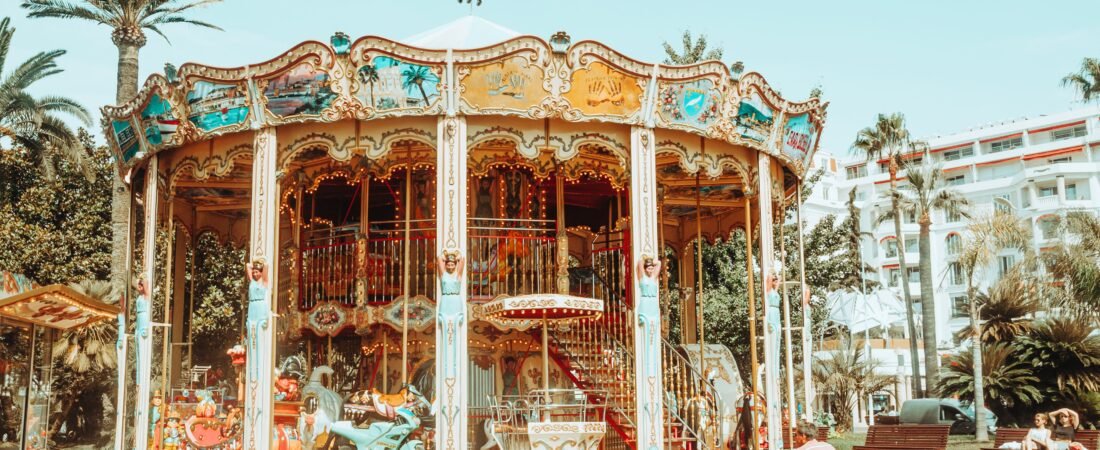
Feria de Málaga: Tradition, Joy and Culture in the Heart of the Costa del Sol
The Feria de Málaga is one of the most important, popular and eagerly awaited celebrations in Andalusia. Every year, thousands of people arrive in the capital of the Costa del Sol to enjoy a festival combining history, music, gastronomy, dancing, tradition and fun. For several days, Málaga transforms its streets and fairground into a huge open-air stage for locals and visitors from across Spain and abroad.
Also known as the August Fair of Málaga, the celebration is famous for its joyful atmosphere, shows, casetas, traditional clothing and the hospitality of the people of Málaga. Over time, it has become one of the major tourism and cultural events of the Spanish summer.
When and where is the Feria de Málaga held?
The Feria de Málaga traditionally takes place in August, usually around the 19th, commemorating Málaga’s incorporation into the Crown of Castile in 1487. It normally lasts about a week, although activities and the festive atmosphere may continue for longer.
The celebration takes place in two main areas: Málaga’s historic centre, where the Day Fair is held, and the Real de la Feria in Cortijo de Torres, which hosts the Night Fair. During the day, the central streets fill with music, friends, visitors and people wearing traditional outfits. At night, the fairground becomes the centre of activity, with rides, casetas, concerts and entertainment for all ages.
The historical origins of an iconic celebration
The origins of the Feria de Málaga are connected with the entry of the Catholic Monarchs into Málaga in 1487. Celebrations were organised to commemorate the event and gradually evolved into the fair we know today.
Over the centuries, the festival gained new customs and features. Religious celebrations, markets, commercial activities and popular shows shaped an increasingly established fair. Its traditions were passed from generation to generation while new forms of entertainment were added.
The Day Fair: music and tradition in the historic centre
The Day Fair is one of the most recognisable parts of the celebration. During the central hours of the day, Málaga’s main streets and squares fill with colour and movement. Places such as Calle Larios and Plaza de la Constitución become meeting points for locals and tourists.
Music takes centre stage, with sevillanas, rumbas, popular Andalusian music and other styles inviting people to sing and dance. Many attendees wear traditional clothing, including flamenco dresses, shirts, waistcoats, hats and garments inspired by Andalusian style.
The Night Fair at the Real de la Feria
When night falls, activity moves mainly to the Real de la Feria in Cortijo de Torres. The venue contains numerous casetas, rides and spaces dedicated to music and leisure.
Casetas may be managed by associations, peñas, cultural organisations, professional groups and other institutions. They serve drinks, traditional dishes and music in a friendly atmosphere. The Real de la Feria also offers carousels, Ferris wheels, games and recreational activities for families and children.
Music, dancing and cultural expression
Music is the heart of the Feria de Málaga. Sevillanas, rumbas and other genres linked to Andalusian culture are especially prominent, while the programme may also include pop music, concerts, local groups and shows for different audiences.
Dancing is another important expression of the festival. Many people use the fair as an opportunity to learn, practise or simply enjoy sevillanas. Couples and groups dance in the streets and casetas, creating a lively and participatory atmosphere.
Traditional food at the Feria de Málaga
Gastronomy is an essential part of the celebration. Casetas, bars and restaurants offer traditional dishes and products such as sardine skewers, porra antequerana, ajoblanco, Málaga salad, ham, cured meats, Málaga-style fried fish, anchovies, cheeses and traditional sweets.
Sweet Málaga wine is one of the province’s most representative products and is often present at gatherings and celebrations. Sharing a table, tasting local dishes and talking with family or friends is part of the experience.
The flamenco dress and the image of the fair
One of the most characteristic visual elements of the Feria de Málaga is the flamenco dress. Its colours, ruffles, flowers and accessories fill the streets with elegance and joy. Many women carefully choose their dresses and accessories, including earrings, hair combs, shawls and flowers.
The flamenco dress represents an important part of Andalusian culture and the fair’s visual identity. Traditional designs remain popular, while new trends, colour combinations and styles appear every year.
A family atmosphere and active youth participation
The Feria de Málaga is a celebration for all ages. Families can enjoy activities in the centre, visit the fairground and take part in events designed for children. Rides, children’s shows and music make the fair especially exciting for younger visitors.
Young people also take an active role. The fair gives them an opportunity to meet friends, enjoy concerts and meet new people, while different generations come together in the casetas and preserve long-standing customs.
How locals and visitors experience the fair
People who attend the Feria de Málaga usually experience joy, excitement and pride. For many locals, it is one of the most important dates on the local calendar: a time to reunite with family, welcome friends and share the city’s culture with visitors.
Visitors are often surprised by the scale of the celebration, its energetic atmosphere and the variety of activities. They frequently highlight the friendliness of local people, the decorated streets, traditional outfits, lights at the Real and Málaga’s gastronomy.
Tourism and economic importance
The Feria de Málaga is highly important for tourism on the Costa del Sol. During the celebration, the city welcomes thousands of visitors who book accommodation, eat at restaurants, use local transport and take part in many activities.
Its economic impact reaches hotels, tourist accommodation, restaurants, bars, shops, transport companies, event organisers, artists, musicians and fairground traders. The fair also promotes Málaga as a destination and encourages many visitors to return at other times of the year.
Tradition and modernity in one celebration
The Feria de Málaga remains famous because it combines tradition and modernity. Sevillanas, flamenco dresses and traditional food coexist with contemporary concerts, new leisure activities and a growing digital presence.
This evolution allows the fair to preserve its essence while remaining attractive to younger generations and international visitors. It continues to be recognisable to older generations while offering activities for diverse audiences.
Safety, respect and responsibility
Because large numbers of people attend the Feria de Málaga, safety and good relations are essential. Authorities and municipal services organise access, provide medical assistance and facilitate transport during the celebration.
Respecting others, caring for public spaces, using bins correctly and drinking responsibly help maintain a pleasant atmosphere. Good community spirit is one of the keys to the fair’s success.
Tips for enjoying the Feria de Málaga
- Plan your visit in advance.
- Check the official programme of concerts and activities.
- Use public transport.
- Wear comfortable shoes.
- Protect yourself from the sun and drink water regularly.
- Try local food at authorised establishments and casetas.
- Respect local customs and public spaces.
- Keep personal belongings safe in crowded areas.
- Enjoy the festival responsibly.
Conclusion
The Feria de Málaga is much more than a summer festival. It is a cultural celebration bringing together history, tradition, gastronomy, music, dancing and community spirit. Its two settings—the historic centre and the Real de la Feria—offer complementary ways to enjoy Málaga by day and night.
Its popularity comes from both the richness of its traditions and the energy of its participants. Locals celebrate with pride and enthusiasm, while visitors discover an open, welcoming and lively city. The combination of family activities, shows, casetas, rides and gastronomy makes every edition a memorable experience.
Over the years, the Feria de Málaga has preserved its roots while adapting to new generations. It therefore remains one of Andalusia’s most important celebrations and an essential event for anyone wishing to discover Málaga’s culture, joy and character.